
Ever stumbled into an app that feels like it reads your mind, guiding you smoothly to exactly what you need without a single wrong turn? That’s the quiet power of user experience design, or UX for short.
It’s the craft of blending sharp problem-solving with clever visuals to turn ordinary digital tools into something people crave to use over and over. Picture this: you open a streaming service and sign up in minutes, pick your favorites, and dive right in—no confusion, no rage-quits. Or a fitness tracker that makes logging workouts feel effortless, pulling you back day after day. UX designers stand at the center of these wins, putting real people first to build paths that feel natural and rewarding.
Dive deeper, and you’ll see why this matters so much. Bad experiences chase users away fast—think getting lost in a cluttered website or fumbling through a checkout that hides the buy button. Solid UX flips that script. It clears the fog, cuts the hassle, and solves the exact pains users face. Companies lean on it to keep folks engaged long-term, tweaking based on fresh feedback to stay sharp. From mobile banking apps with big touch targets for hurried thumbs to smart home gadgets that click from the first setup, UX shapes every tap and swipe into something trustworthy and joyful.
What fuels great UX? Seven core pillars guide the way:
- Put users at the heart—tailor everything to their wants, like how Amazon suggests picks that nail your taste.
- Stay predictable—match patterns across screens, so iPhone habits carry over seamlessly to a Mac.
- Guide the eye smartly—spotlight key spots, just as Netflix arranges shows for instant grabs.
- Keep it straightforward—easy to grasp and master, mirroring Google’s bare-bones search bar.
- Hand over the reins—let folks fix mistakes quick, such as Gmail’s undo send lifeline.
- Open doors for everyone—add captions and descriptions, like YouTube does for broader reach.
- Factor in the moment—design for real-life use, with chunky buttons on apps for on-the-move handling.
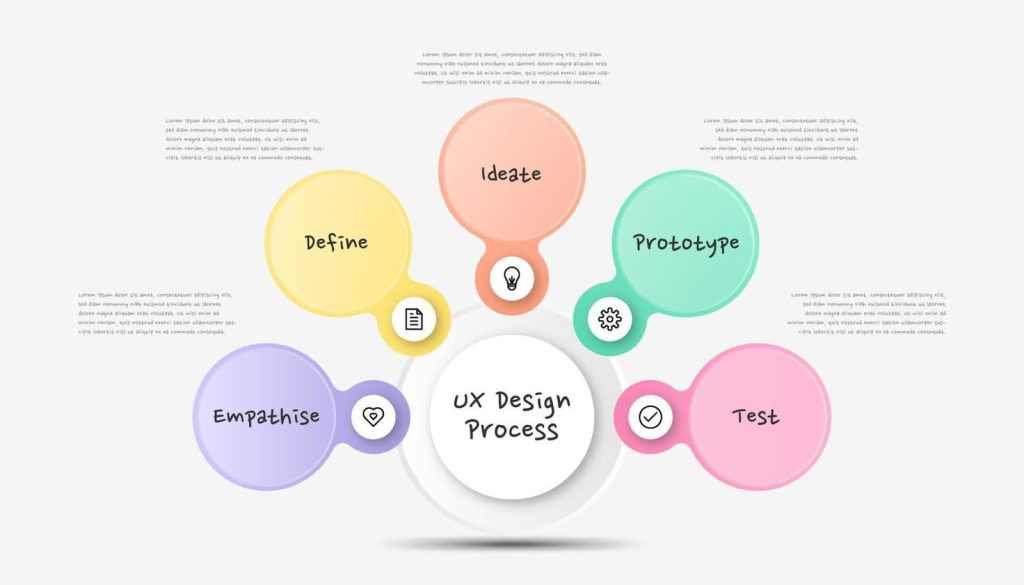
The journey to build this follows a clear loop of five stages. Start by pinning down the main headache users battle. Then dig in with chats, polls, and watches to uncover truths—tools like AI now sort through piles of notes faster. Shape personas to step into users’ shoes. Next, sketch interactive mockups to test flows. Run real trials, watch struggles unfold, compare options. Finally, polish endlessly—launch, track how it performs, gather more input, and upgrade to keep it fresh and vital.
Don’t mix it up with UI design, though they’re tight partners. UX maps the full adventure, rooting in research and trials to hit deep needs. UI handles the polish—colors, shapes, buttons that look sharp and flow well. Together, they deliver the magic.
Peek at a UX creator in action: they probe users through talks and observations, draft rough layouts and clickable models, organize info paths, run feedback sessions, and refine without stop. It calls for sharp listening, fresh thinking, teamwork, and a knack for turning gripes into breakthroughs.
These visuals capture the essence. Ready to step into this world yourself?

Leave a Reply